Watch Without Interrupting
A good wildlife encounter should feel like a privilege, not a performance. Wild animals are not props, pets, or photo backdrops. They are eating, resting, nesting, migrating, raising young, defending territory, staying warm, avoiding predators, and trying to survive in a state that is shared with millions of people.
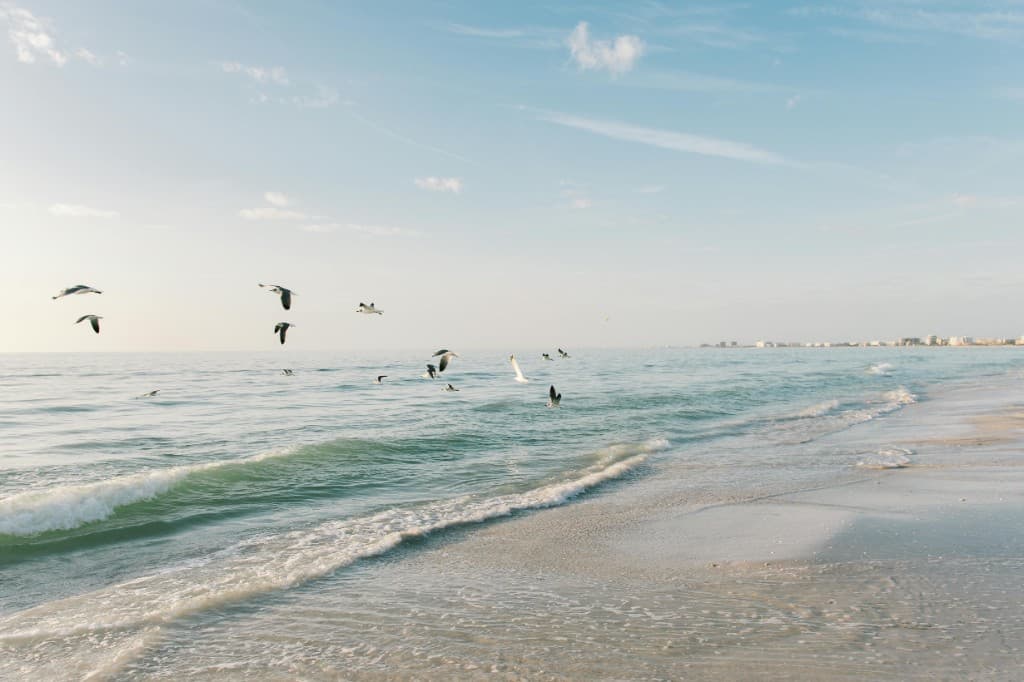
That does not mean you cannot enjoy seeing them. It means the best wildlife watching happens with space, patience, and respect. A simple rule helps: if your presence changes the animal's behavior, you are probably too close. That might look like a bird leaving its nest, an owl ducking into a burrow, a manatee swimming away, a dolphin changing course, an alligator turning toward you, or shorebirds calling and moving in agitation. When in doubt, back up.
Wildlife to watch for
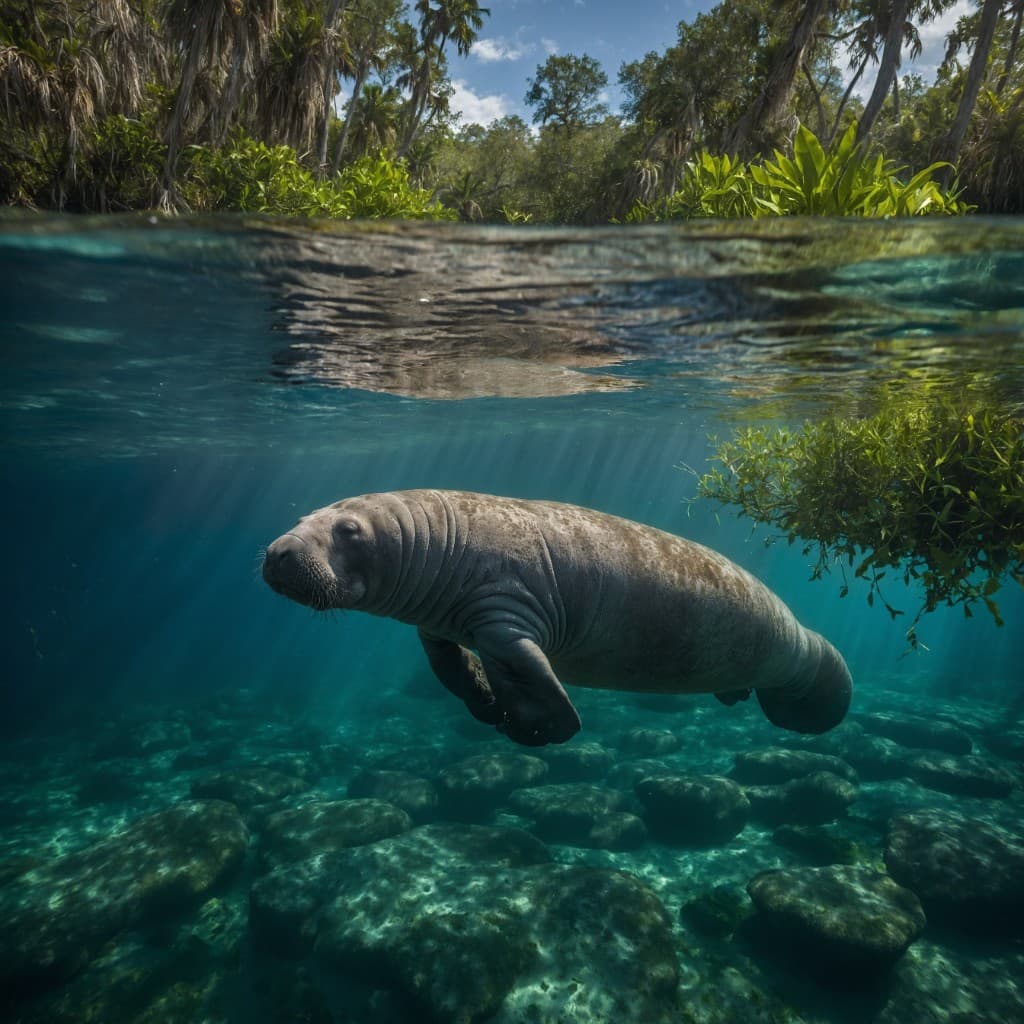
Manatees
Best for
Families, beginners, winter wildlife watching, paddlers, and anyone who loves calm wildlife moments.
Where to look
Springs, manatee viewing areas, rivers, canals, coastal waters, and overlooks near warm-water refuges.
Best time or season
Winter can be one of the best times to look for them in designated viewing areas because manatees seek warmer water when temperatures drop.
How to watch respectfully
Look, but do not touch. Give manatees plenty of space. If you are paddling, slow down and avoid blocking their path. Do not chase, surround, separate, feed, or give water to manatees.
What not to do
Do not touch a manatee. Do not offer food or water. Do not pursue one for a photo. Do not paddle over or crowd them.
Photo tip
Use zoom and shoot from the surface or from a viewing area. The best manatee photos usually come from patience, clear water, and respectful distance.
Wildlife to watch for
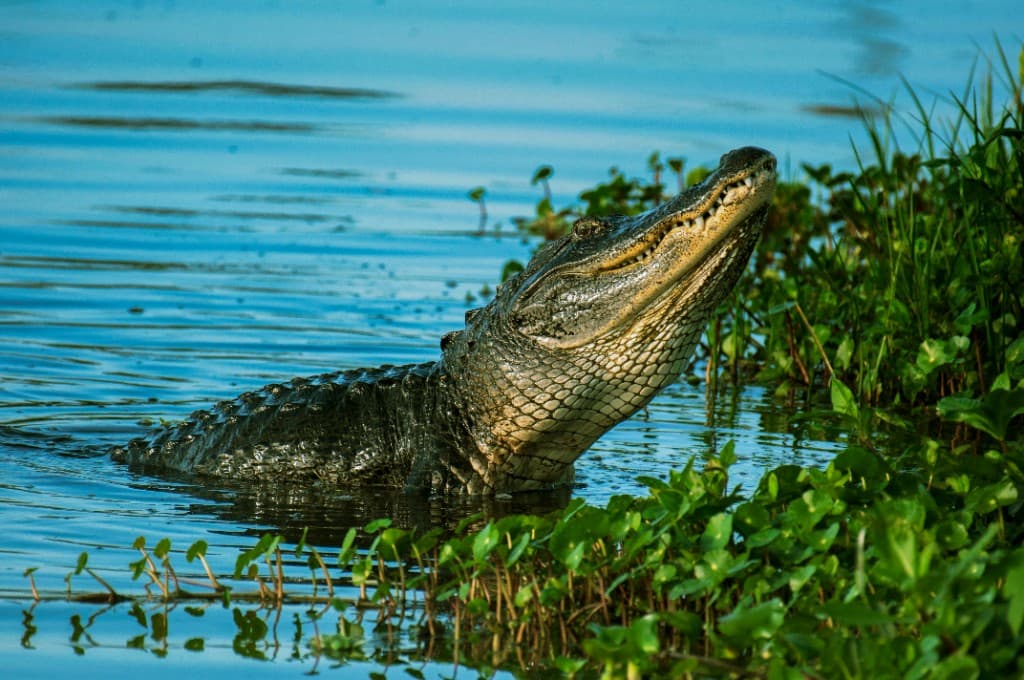
Alligators
Best for
Wildlife drives, boardwalk viewing, photographers with zoom lenses, and people who want to understand Florida's freshwater habitats.
Where to look
Wetlands, freshwater lakes, marshes, canals, boardwalks, wildlife drives, preserves, and state parks.
Best viewing note
Use boardwalks, overlooks, and wildlife drives. Keep distance year-round, especially near freshwater edges.
How to watch respectfully
Keep your distance. Stay on trails and viewing platforms. Swim only in designated areas during daylight hours. Keep pets leashed and away from the water's edge.
What not to do
Never feed an alligator. Never approach one. Never throw food, bait, or objects toward one. Never let a pet near the water to look. Never assume a small alligator means the area is safe.
Photo tip
Photograph from boardwalks, overlooks, or a safe distance with a zoom lens. Do not crouch near the waterline to get a dramatic shot.
Wildlife to watch for
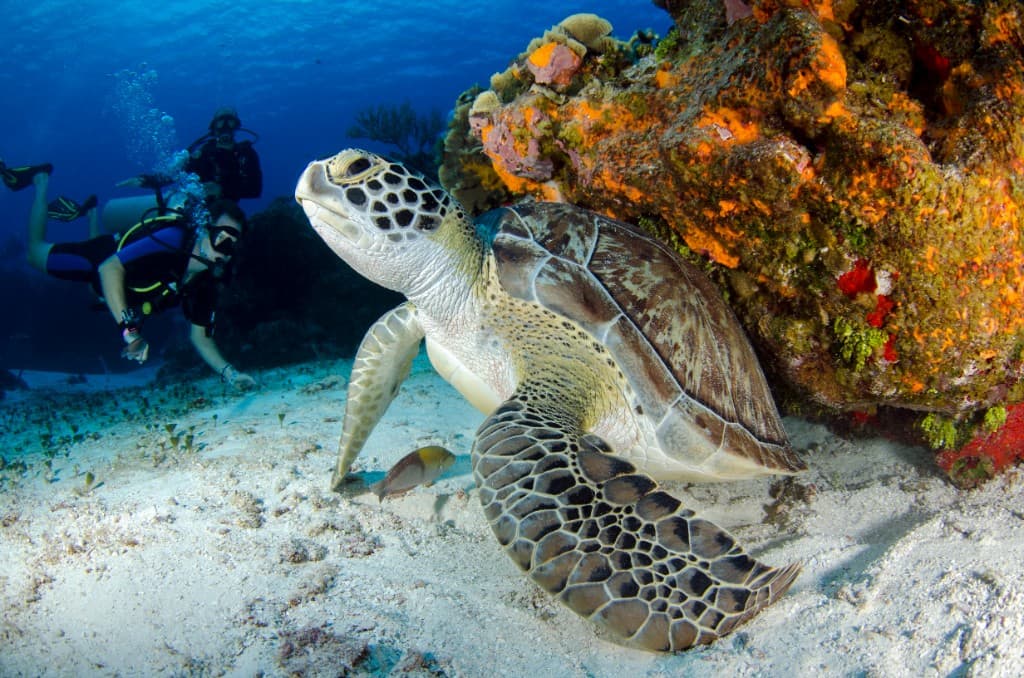
Sea Turtles
Best for
Responsible beachgoers, families, conservation-minded travelers, and early morning walkers looking for tracks.
Where to look
Beaches with sea turtle nesting activity, nature centers, guided turtle walks, coastal parks, and educational programs.
Best time or season
Nesting season varies by coast; look for posted guidance, tracks, and educational programs rather than expecting close encounters.
How to watch respectfully
Stay away from marked nests. Keep the beach dark at night. Use turtle-friendly lighting where required. Never touch turtles, hatchlings, eggs, or nest markers. Keep a respectful distance from any turtle on the beach.
What not to do
Do not shine lights on turtles. Do not use flash photography. Do not stand in front of or block a nesting turtle. Do not dig near nests. Do not disturb tracks or marked areas.
Photo tip
For sea turtle nesting, guided programs are the safest and most responsible way to learn. For everyday beach walks, photograph tracks or educational signage from a respectful distance.
Wildlife to watch for
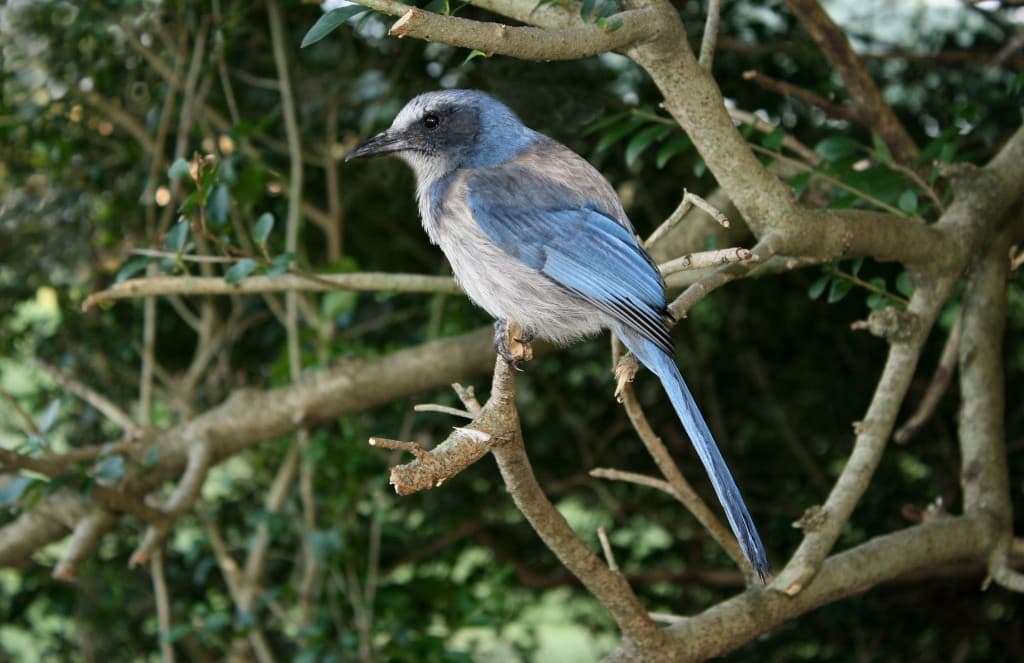
Florida Scrub-Jays
Best for
Bird lovers, photographers, Florida nature enthusiasts, and anyone interested in species found only here.
Where to look
Scrub preserves, state parks, conservation lands, and natural areas with posted trails and habitat protections.
Best viewing note
Morning walks on marked trails often offer the best chance to spot them when scrub habitat is quieter.
How to watch respectfully
Stay on marked trails. Keep your distance. Do not feed scrub-jays, even if they seem curious. Feeding wildlife can change natural behavior and put animals at risk.
What not to do
Do not offer food. Do not step into closed habitat. Do not crowd a bird for a close-up. Do not play bird calls loudly to attract them.
Photo tip
A zoom lens is your friend. Let the bird move naturally instead of trying to lure it closer.
Wildlife to watch for
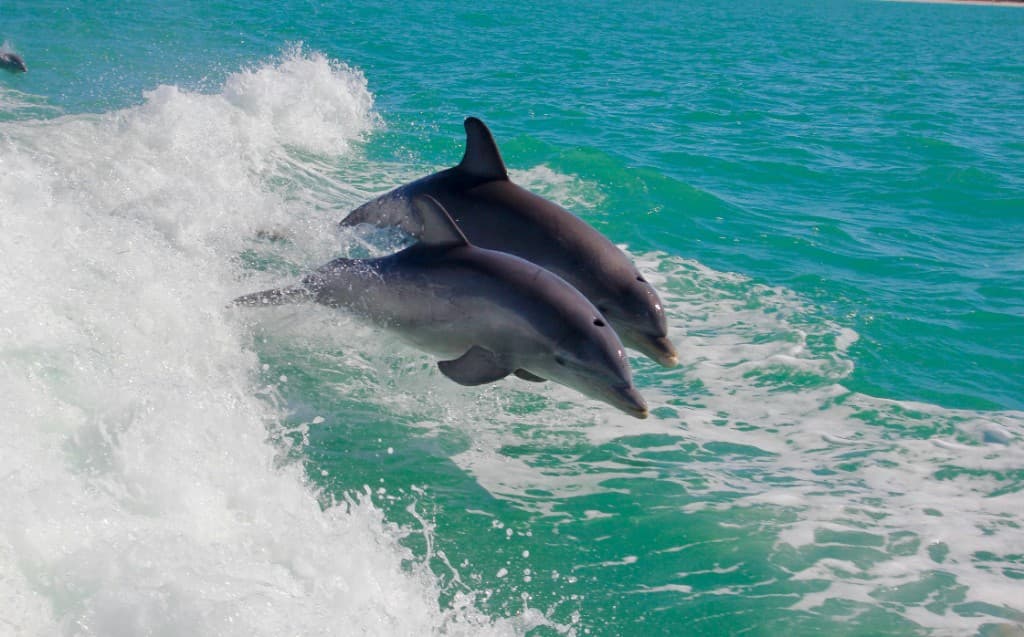
Dolphins
Best for
Coastal walks, boat tours, families, photographers, and visitors who want a classic Florida wildlife moment.
Where to look
Coastal waters, bays, inlets, beaches, piers, bridges, boat tours, paddling routes, and waterfront parks.
Best viewing note
Watch from shore during calm conditions, or choose eco-conscious boat tours that keep respectful distance.
How to watch respectfully
Watch from shore or from a responsible boat distance. Choose eco-conscious tours that do not chase, crowd, or feed dolphins. If paddling or boating, avoid cutting across their path.
What not to do
Do not feed dolphins. Do not try to swim with wild dolphins. Do not chase them with a boat, paddleboard, or kayak. Do not toss anything into the water to get attention.
Photo tip
Use burst mode and watch for natural surfacing patterns. The best photos usually happen when you wait instead of trying to force the moment.
Wildlife to watch for
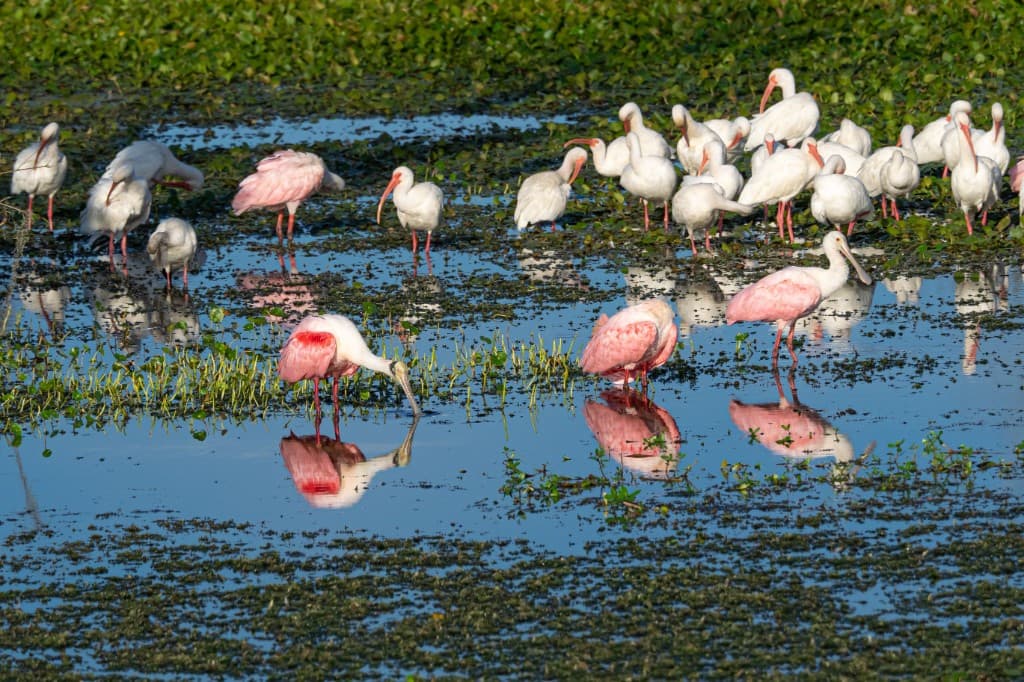
Roseate Spoonbills
Best for
Bird lovers, photographers, wetlands walks, families, and anyone who wants to spot colorful Florida wildlife.
Where to look
Wetlands, mangroves, marshes, estuaries, wildlife refuges, tidal flats, and shallow-water areas.
Best viewing note
Early morning and late afternoon wetland walks often offer the best feeding views from boardwalks and overlooks.
How to watch respectfully
Use boardwalks, observation decks, and marked trails. Give birds space while they feed. Keep noise low and avoid sudden movements.
What not to do
Do not walk into marshy areas to get closer. Do not flush birds into flight. Do not approach nesting or roosting areas.
Photo tip
Look for early morning or late afternoon light. Spoonbills are beautiful from a distance, especially when feeding in shallow water.
Wildlife to watch for
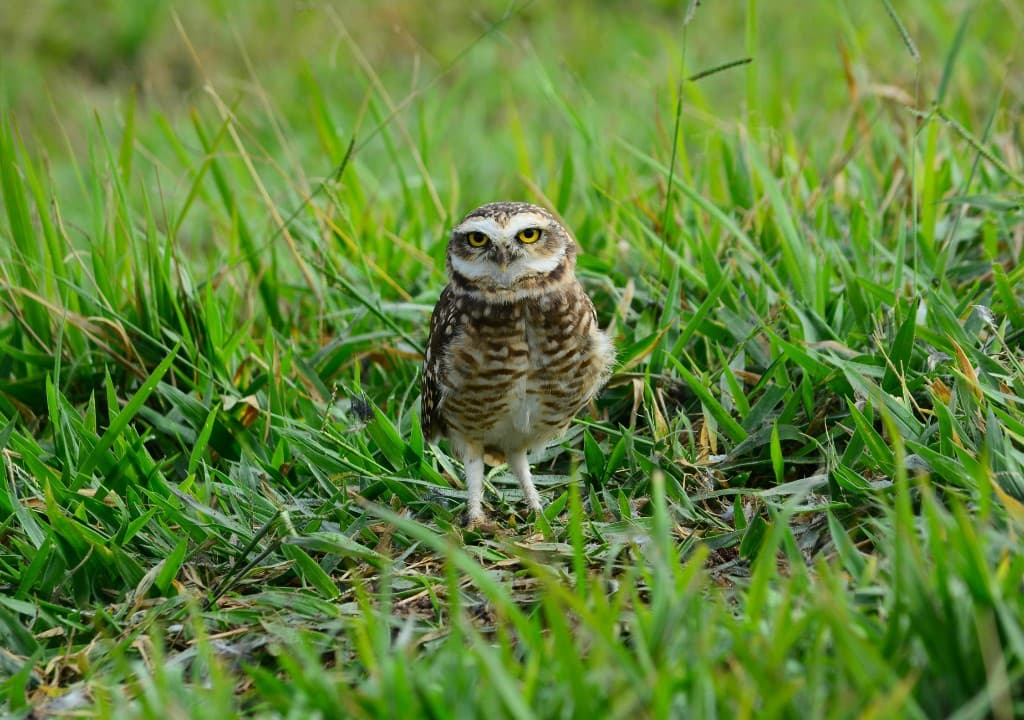
Burrowing Owls
Best for
Birders, photographers, families learning about Florida wildlife, and people who love small but memorable animal encounters.
Where to look
Open sandy areas, protected burrow sites, marked habitat areas, some parks, and communities where burrows are protected.
Best viewing note
Look during daylight hours in open habitat, and always stay well back from marked burrow areas.
How to watch respectfully
Stay well back from burrows. Respect ropes, markers, signs, and protected areas. Use binoculars or zoom. Keep pets far away.
What not to do
Do not walk up to a burrow. Do not place objects near a burrow for a photo. Do not use calls or sounds to get an owl's attention. Do not let children or pets approach.
Photo tip
Photograph from a distance and keep your session short. If the owl looks alert, stressed, or retreats, back away.
Wildlife to watch for
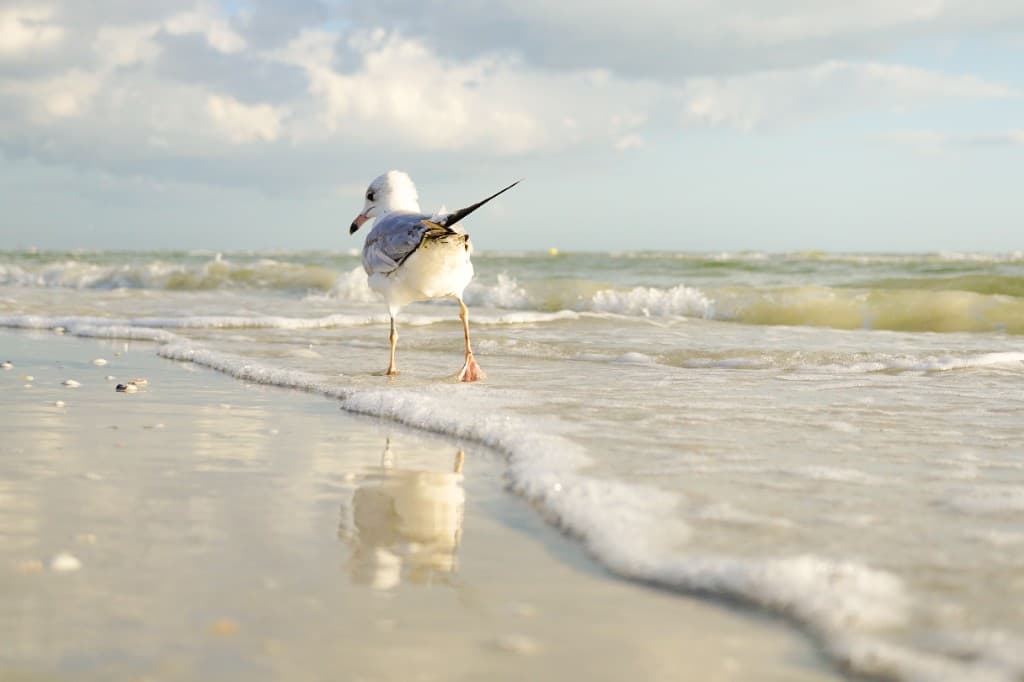
Shorebirds
Best for
Beach walks, beginner birders, photographers, families, and anyone who wants to notice more on the shoreline.
Where to look
Beaches, tidal flats, sandbars, inlets, coastal parks, wildlife refuges, and marked nesting areas.
Best time or season
Give birds extra room during nesting season and early morning walks when beaches are quieter.
How to watch respectfully
Stay out of posted areas. Walk around flocks instead of through them. Keep dogs leashed and away from nesting zones. Give birds extra room during nesting season.
What not to do
Do not chase birds for photos or videos. Do not enter roped-off nesting areas. Do not fly kites or drones near nesting birds. Do not leave trash that could attract predators.
Photo tip
Sit or stand quietly at a distance and let birds move naturally. Shorebird photos look better when the birds are relaxed and behaving normally.
Where to See Wildlife Without Disturbing It
You do not have to go off-trail or get too close to have a good wildlife experience. In fact, the best wildlife viewing often happens from places designed for it.
Responsible Viewing Map
Low-impact viewing
Boardwalks and Observation Decks
Boardwalks keep people out of sensitive habitat while still giving you a strong view of wetlands, marshes, birds, alligators, turtles, and native plants.
Best forAlligators, wading birds, spoonbills, turtles, shorebirds, and wetland wildlife.
Beaches with Posted Nesting Areas
Marked sea turtle nests or shorebird nesting areas are signs that the beach is being shared with wildlife, not obstacles to ignore.
Best forResponsible sea turtle education, shorebird watching, beach walking, and conservation awareness.
Paddling Trails
Kayaks and paddleboards can offer quiet wildlife viewing, but only when paddlers keep distance and avoid chasing or blocking animals.
Best forBirds, manatees, dolphins, fish, mangroves, and calm-water habitats.
State Parks and Preserves
Florida state parks, county preserves, and city natural areas can be excellent places to spot wildlife while staying on marked trails.
Best forScrub-jays, shorebirds, gopher tortoises, wading birds, alligators, butterflies, and native habitat.
Designed viewing areas
Wildlife Refuges
Refuges are built around habitat protection, with trails, overlooks, drives, visitor centers, and educational signs that help you understand what you are seeing.
Best forBirds, alligators, wetland wildlife, seasonal migrations, and photography from a distance.
Springs and Manatee Viewing Areas
Designated manatee viewing areas can help you learn about manatees without getting too close or interfering with them.
Best forManatees, fish, turtles, birds, and clear-water habitat.
Guided Eco Tours
A responsible eco tour can help beginners learn without accidentally disturbing wildlife. Look for tours that emphasize distance, education, habitat, and conservation.
Best forDolphins, manatees, birds, mangroves, wetlands, and coastal wildlife.
Nature Centers
Nature centers are great starting points because they often include trails, exhibits, viewing areas, staff knowledge, and beginner-friendly education.
Best forFamilies, beginners, school-age kids, and anyone who wants to learn before exploring.
Respect reminder: if you have to leave the trail, cross a rope, step into habitat, or make an animal move for the view, it is not a responsible viewing spot.
Before you take the shot
Photo-Friendly Wildlife Watching Checklist
A good wildlife photo is not worth stressing, chasing, baiting, touching, or crowding an animal. Use this checklist before you take the shot.
Distance
- Stay far enough away that the animal keeps behaving naturally.
- Use zoom instead of stepping closer.
- Give extra space to nests, burrows, babies, resting animals, and feeding animals.
Behavior
- Watch the animal's body language.
- If it moves away, changes direction, calls, hides, freezes, or seems alert because of you, back up.
- Do not force eye contact, movement, flight, or dramatic behavior.
Lighting
- Avoid flash around wildlife.
- Keep beaches dark during sea turtle nesting season.
- Do not shine lights at animals to get a better photo.
Sound
- Keep your voice low.
- Do not use loud calls, clapping, music, or animal sounds to get attention.
- Let the moment stay natural.
Pets
- Keep pets leashed where allowed.
- Keep pets away from water edges, nests, burrows, shorebirds, and wildlife areas.
- Never use a pet to get an animal to react.
Social Media
- Do not share exact nest, burrow, den, or sensitive wildlife locations if it could cause crowding.
- Do not encourage risky behavior for a photo.
- Share respectful wildlife reminders with the photo when helpful.
What Not to Do Around Florida Wildlife
Wildlife watching should never depend on making the animal react.
The Wildlife Watching Code
Keep wildlife wild by keeping your distance, staying on marked paths, and letting animals behave naturally.
- Do not interfere
Never feed wildlife.
- Do not interfere
Never touch wildlife.
- Do not interfere
Never chase wildlife.
- Do not interfere
Never crowd an animal for a photo.
- Do not disturb habitat
Never enter posted nesting areas.
- Do not disturb habitat
Never use flash or bright lights around nesting beaches.
- Do not disturb habitat
Never block an animal's path.
- Do not disturb habitat
Never pick up babies or "rescue" wildlife unless directed by a licensed professional or official guidance.
- Do not create risk
Never let pets approach wildlife.
- Do not create risk
Never assume calm means safe.
- Do not create risk
Never get closer because an animal seems relaxed.
- Do not create risk
Never make noise, throw food, or use calls to get a reaction.
If your photo, video, or curiosity makes an animal move, hide, call, flee, or change what it was doing, back up.
Final picks
Still deciding where to start?
Start with the wildlife setting that feels most approachable.
Wildlife Starting Point Finder
The easy answer
Choose the setting designed for watching.
The best beginner wildlife experiences usually happen from boardwalks, nature centers, refuges, and guided tours because they give you space, education, and clear rules without getting too close.
Best for beginners
Boardwalks, nature centers, wildlife refuges, or guided eco tours
Designed viewing with education, distance, and clearer rules.
Field note: Start somewhere built for learning before trying a wilder trail.
Best for families
Nature centers, boardwalks, and places with restrooms and visitor support
Easier parking, clearer rules, and more room to learn together.
Field note: Choose comfort and safety over a "maybe we'll see something" adventure.
Best for photographers
Refuges, wetland boardwalks, and early-morning beach or marsh walks
Bring zoom, patience, and respect for natural behavior.
Field note: A calm animal makes a better photo than a stressed one.
Best for beach wildlife
Posted nesting beaches and quiet shoreline walks
Look for tracks, shorebirds, and educational signage from a distance.
Field note: Roped-off areas are part of the habitat, not an obstacle.
Best for wetlands
Boardwalks, refuges, and shallow-water viewing areas
Strong habitat for spoonbills, wading birds, alligators, and turtles.
Field note: Stay on the path and let the wetlands do the work.
Best for winter viewing
Springs and designated manatee viewing areas
Go with patience, distance, and respect for resting animals.
Field note: A still manatee is not an invitation.
Best for bird lovers
Wetlands, beaches, refuges, and preserves
Start with boardwalks and observation decks before going off-trail.
Field note: If birds flush, call, or move away, back up.
Best all-around start
A nature center with trails, signage, and an observation area
A good first stop gives you wildlife, context, and safer viewing habits.
Field note: Learn the place before trying to photograph the animal.
The YGLF Takeaway
Let wild Florida stay wild.
The best wildlife moment is not the closest one. It is the one where you notice something beautiful without changing it.
Some days, that means watching a manatee rise slowly in clear water.
Some days, it means spotting a spoonbill from a boardwalk,
seeing shorebirds move along the tide line, or noticing tiny owl eyes from far beyond a marked burrow.
That is the beauty of Florida wildlife. It is still here, still wild, and still worth protecting.
Explore Florida. Support local. Love where you live.